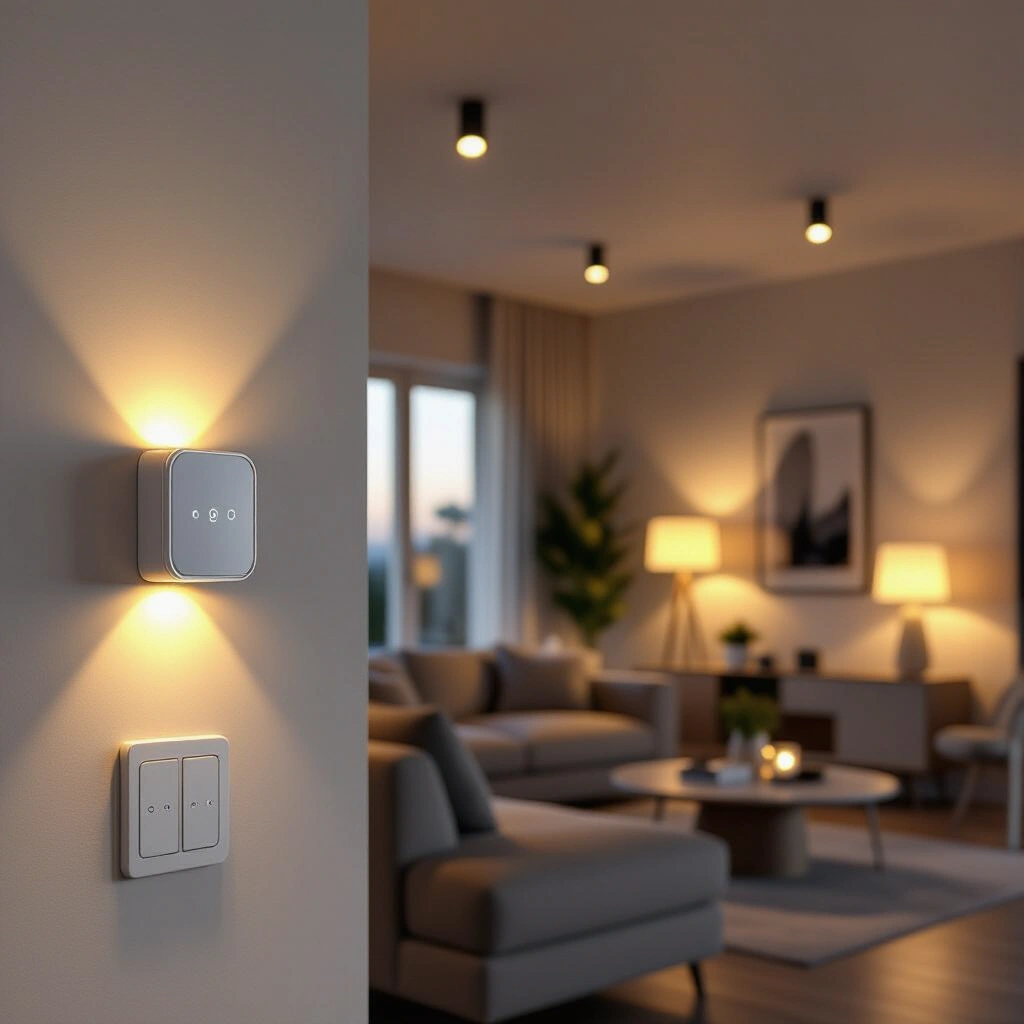
Navigate the options for offline control, physical switches, and no-neutral wire setups.
Your smart home should simplify life, not complicate it. Yet, the frustration of a flickering bulb or an unresponsive switch can quickly turn convenience into annoyance. Many homeowners, much like yourself, encounter issues with older smart lighting systems as technology evolves or products are discontinued. Finding dependable Smart Home Lighting Solutions that offer local control, physical switches, and cater to specific electrical setups like those without a neutral wire is a common challenge. This guide will walk you through the best options available today, helping you transition from a problematic setup to one that’s intuitive, robust, and truly smart.
Decoding Your Smart Home Lighting Options: Bulbs, Switches, or Relays?
When considering an upgrade, the fundamental choice often boils down to smart bulbs, smart switches, or smart relays. Each approach offers distinct advantages and caters to different needs, influencing both installation complexity and daily usability. Understanding these core distinctions is crucial for selecting the ideal system for your home.
Smart Bulbs: Flexibility with a Catch
Smart bulbs, such as those from Philips Hue or IKEA Trådfri, are perhaps the most well-known entry into smart lighting. They offer unparalleled color and dimming flexibility, often without needing an electrician. The “catch,” however, has historically been their reliance on apps and the potential for a non-smart switch to cut their power, rendering them “dumb.” Modern solutions now pair smart bulbs with dedicated wireless wall controllers that can be mounted over existing switches or directly to a wall. This setup keeps the circuit constantly powered, allowing the smart bulb to retain its intelligence, even without an internet connection if a local hub is used. While convenient for renters or those seeking easy installation, managing many individual bulbs can sometimes become cumbersome.
Smart Switches: Bridging Tradition and Tech
Smart switches replace your existing wall switches, making any connected dumb bulb “smart.” This maintains the traditional user experience of flipping a physical switch while adding smart capabilities like app control, scheduling, and dimming. They are an excellent option for rooms where you prefer a consistent lighting experience across all fixtures and for integrating with existing wiring. Many smart switches require a neutral wire for constant power, but advancements have led to a growing number of “no-neutral wire” smart switches. These devices cleverly draw a small amount of power through the lighting circuit itself, making them compatible with older homes.
Smart Relays: The Invisible Upgrade
Smart relays, like those offered by Shelly, are compact devices installed behind your existing traditional light switches or directly in the light fixture’s ceiling rose. They essentially turn any dumb switch into a smart switch, providing app control and automation while preserving the aesthetic of your current switches. Relays are particularly appealing for those who want smart functionality without altering their décor or replacing beloved antique switches. They often support local control and can be a discrete way to introduce smart capabilities to your home. This approach also allows for advanced control over other circuit-connected devices, such as bathroom fans.
Essential Features for Robust Smart Home Lighting
Beyond the basic choice of bulbs, switches, or relays, several key features dictate the reliability and user-friendliness of your Smart Home Lighting Solutions. Prioritizing these requirements will ensure your new system meets your expectations for convenience and performance, especially when internet connectivity is a concern.
Why Local Control is King
Internet outages shouldn’t plunge your home into darkness. A critical requirement for many homeowners is local control, meaning your smart lighting system continues to function even if your internet service is down. Systems that rely on a central hub (like Philips Hue or a dedicated Zigbee/Z-Wave hub) often process commands locally, ensuring your switches and automations work seamlessly regardless of your ISP’s status. This is a significant improvement over cloud-dependent systems that become useless without a connection, offering peace of mind and consistent performance. Investing in a system with robust local processing capabilities is a smart move for long-term reliability.
The No-Neutral Wire Challenge
Many older homes, particularly outside North America, lack a neutral wire in their wall switch boxes. This presents a common hurdle for installing modern smart switches, as most require a neutral wire for consistent power. Fortunately, manufacturers have developed specialized “no-neutral wire” smart switches that draw power differently. These devices are designed to operate with only live and switched live wires, making them compatible with older electrical installations. When selecting new Smart Home Lighting Solutions, always verify the wiring requirements of the switches you consider. Consulting an electrician can help determine your home’s specific wiring and guide your choices safely. Learn more about common smart home wiring challenges from a trusted source. Electrical Safety Foundation International rel=”noopener noreferrer”
Physical Control: A Non-Negotiable
While app control is convenient, a physical wall switch remains essential for many. Guests, children, or anyone unfamiliar with your smart home setup will instinctively reach for a traditional switch. The best smart lighting systems offer both physical and digital control, ensuring usability for everyone. Whether it’s a smart switch that replaces your old one or a wireless remote affixed to the wall, maintaining physical control prevents confusion and provides a reliable fallback. This dual approach ensures your smart lighting is both high-tech and user-friendly.
Seamless Integration: Connecting Your Smart Lighting Ecosystem
A truly smart home integrates various devices into a cohesive ecosystem. Your Smart Home Lighting Solutions should ideally communicate with other smart devices, enhancing automation and convenience. This section explores integrating your lighting with popular platforms and addressing unique household scenarios.
Beyond Google Home: Zigbee and Z-Wave
While Google Home offers voice control and app management, integrating with protocols like Zigbee or Z-Wave can unlock deeper local control and broader device compatibility. A dedicated Zigbee or Z-Wave hub acts as a central brain, allowing devices from different manufacturers to communicate reliably, often without internet reliance. Many smart bulbs and switches, especially those designed for local control, utilize these mesh networking technologies. This provides a robust and scalable foundation for your smart home, extending beyond just lighting to motion sensors, door contacts, and more. For example, integrating Aqara Zigbee motion sensors directly with a Zigbee lighting hub can create sophisticated, internet-free automations. For a deeper dive into these technologies, consider reading a comprehensive guide on smart home protocols. Smart Home Hub Comparison Guide rel=”noopener noreferrer”
Addressing Unique Scenarios: Bathroom Fans and Mixed Bulbs
The complexity of your home’s existing setup, such as bathroom fans linked to light circuits, requires careful consideration. If your bathroom fan is wired to come on with the light and stay on for a set duration, using smart bulbs might complicate this. In such cases, a smart switch or relay controlling the entire circuit, including the fan, is often a more straightforward solution. This allows the fan to operate as intended while still providing smart control over the lighting.
Furthermore, a mix of bulb types (e.g., bayonet and GU10) across different circuits doesn’t necessarily mean you need different brands. Many systems offer both smart bulbs and smart switches that can coexist within the same platform, allowing you to choose the best solution for each specific fixture or room. The key is to select a platform or hub that supports the diverse needs of your home without forcing brand uniformity across every single device.
Crafting Your Ideal Smart Lighting Upgrade Plan
Embarking on a smart lighting upgrade doesn’t have to be daunting. A structured approach ensures you cover all bases and end up with a system that truly serves your needs. This framework outlines the steps to a successful transition, with reasonable time and effort expectations.
- Assess Your Current Setup (1-2 hours): Document every light switch, bulb type, and any connected devices (like bathroom fans). Note existing wiring (e.g., presence or absence of a neutral wire). This initial audit is invaluable for making informed decisions.
- Define Core Requirements (1-2 hours): Revisit your must-haves: local control, physical switches, dimming, specific integrations (Google Home, Aqara), and your budget. Prioritize these to narrow down your options.
- Research and Compare Solutions (5-10 hours): Explore popular systems like Philips Hue, Lutron Caseta, Shelly, Inovelli, and Home Assistant. Look for systems that meet your “no-neutral wire” and local control needs. Read reviews and user experiences.
- Plan Your Implementation (2-4 hours): Decide on a room-by-room or phase-by-phase rollout. Consider whether you’ll opt for smart bulbs, switches, or relays in each area. Factor in potential electrical work if you choose switches requiring a neutral wire.
- Installation and Configuration (Variable): This will depend on the chosen solution. Smart bulbs are often plug-and-play. Smart switches or relays may require an electrician, especially if new wiring is needed. Budget for professional installation if you’re not comfortable with electrical work.
- Integration and Automation (2-5 hours): Connect your new lighting to your chosen hub or smart home platform (e.g., Google Home, Home Assistant). Set up schedules, scenes, and integrate with motion sensors or other smart devices.
Common Pitfalls in Smart Home Lighting Upgrades
Upgrading your smart home lighting can introduce new complexities. Being aware of potential issues can save time and frustration, ensuring a smoother transition to a more reliable system.
“6ish years ago when w moved in we made every lightswitch in the house a gen1 Lightwave switch (which is now pretty much discontinued). They’ve always been a bit… Odd (sometimes the remote switches on a different light) but they seem to be on the way out now. Two different switches, within about a week of each other no longer work properly.”
This user experience highlights a common pitfall: investing in proprietary systems that may become obsolete or unreliable over time. Prioritizing open standards (Zigbee, Z-Wave) or widely supported platforms can mitigate this risk.
“My first question is, if I go with smart bulbs, can I wire the circuit to be permanently on, put a blank faceplate on it, and then stick a remote (Zigbee?) switch to it.”
This question touches on a critical design decision. While physically possible, ensuring compliance with local electrical codes is paramount when altering permanent wiring. Always prioritize safety and consult an electrician for any wiring modifications.
“Third question, again for smart bulbs, is that our bathroom fans come on with the lights currently, and then stay on for 5-10 minutes after the light is switched off. Would I need a separate switch of sorts for these?”
This scenario underscores the importance of considering all connected devices. Smart bulbs only control the bulb itself, not the circuit power. For integrated devices like bathroom fans, a smart switch or relay controlling the entire circuit is almost always the more effective and simpler solution. Trying to separate them with smart bulbs often leads to complicated workarounds or loss of functionality.
Frequently Asked Questions About Smart Home Lighting
Q1: Can smart bulbs work with a permanently wired circuit and a separate remote switch?
Yes, this is a common and effective setup for smart bulbs. You can wire the circuit to be permanently “on” (effectively bypassing the traditional wall switch), ensuring continuous power to your smart bulbs. Then, you can install a wireless, battery-powered (or low-voltage wired) smart switch, often using protocols like Zigbee, to control the bulbs. Many smart bulb ecosystems offer their own remote switches that can be mounted over the existing switch box or anywhere else on the wall, providing physical control without cutting power to the bulbs. This allows for full smart functionality, including dimming and color changes, without traditional switch interference.
Q2: How do smart switches operate without a neutral wire, and what are the limitations?
No-neutral wire smart switches typically work by “bleeding” a small amount of current through the lighting circuit to power themselves, even when the lights are off. This current is usually so low that it doesn’t cause incandescent or halogen bulbs to glow. However, some very low-wattage LED bulbs might flicker or faintly glow (“ghosting”) with these types of switches because they require less power. To mitigate this, some no-neutral switches come with a “capacitor bypass” module that’s wired at the light fixture, which helps absorb the bleeding current. While convenient for older homes, they might not be compatible with all LED types without the bypass.
Q3: What’s the best approach for integrating smart lighting with existing bathroom fan timers?
For bathroom fans that are currently wired to activate with the light and run for a timed duration, the most straightforward approach is to use a smart switch or smart relay that controls the entire lighting circuit. This ensures that when the “light” is activated by the smart switch, the fan also receives power and initiates its timer function as designed. Smart bulbs, which only control the light output and not the circuit’s power, would not be able to manage the fan. Opting for a smart switch or relay maintains the integrated functionality while adding smart control.
Q4: What are the benefits of choosing a smart lighting system that offers local control?
Local control is a paramount feature for reliability and privacy in smart home lighting. When your system operates locally, commands are processed within your home network (via a hub) rather than relying on external cloud servers and an active internet connection. This means your lights will respond instantly, even if your Wi-Fi is down or your internet service is interrupted. It also enhances privacy, as less data is sent to external servers. For robust, dependable Smart Home Lighting Solutions, local control ensures continuous functionality regardless of external network conditions.
Q5: Is it possible to mix different smart lighting brands within one home?
Yes, it is entirely possible to mix different smart lighting brands within a single home, and many users do so to leverage the best features of various ecosystems. The key to successful integration often lies in using a central smart home hub (like Home Assistant, SmartThings, or Hubitat) that supports multiple communication protocols (e.g., Zigbee, Z-Wave, Wi-Fi). These hubs act as a bridge, allowing devices from different manufacturers to communicate and be controlled through a single interface. While some platforms like Google Home can offer limited cross-brand control, a dedicated hub provides more robust and flexible integration options.
Your Next Steps to Smarter Illumination
Upgrading your smart home lighting is a significant step towards a more comfortable and efficient living space. By carefully evaluating your needs and understanding the available technologies, you can move past outdated systems and embrace modern Smart Home Lighting Solutions that offer reliability, local control, and seamless integration.
- Prioritize Local Control: Ensure your new system functions reliably even without an internet connection.
- Address Wiring Realities: Choose solutions that accommodate your home’s electrical setup, especially for no-neutral wire scenarios.
- Balance Aesthetics and Functionality: Decide between smart bulbs for flexibility or smart switches/relays for traditional control.
- Plan for Integration: Consider how new lighting will interact with existing smart home devices and platforms.
- Consult Professionals: Don’t hesitate to seek advice from electricians for any wiring modifications or complex installations.
The landscape of smart lighting is constantly evolving, offering increasingly sophisticated and user-friendly options. Take the time to research, plan, and invest in a system that will light up your life reliably for years to come. Start by identifying the most critical features for your daily routine and let that guide your upgrade journey.